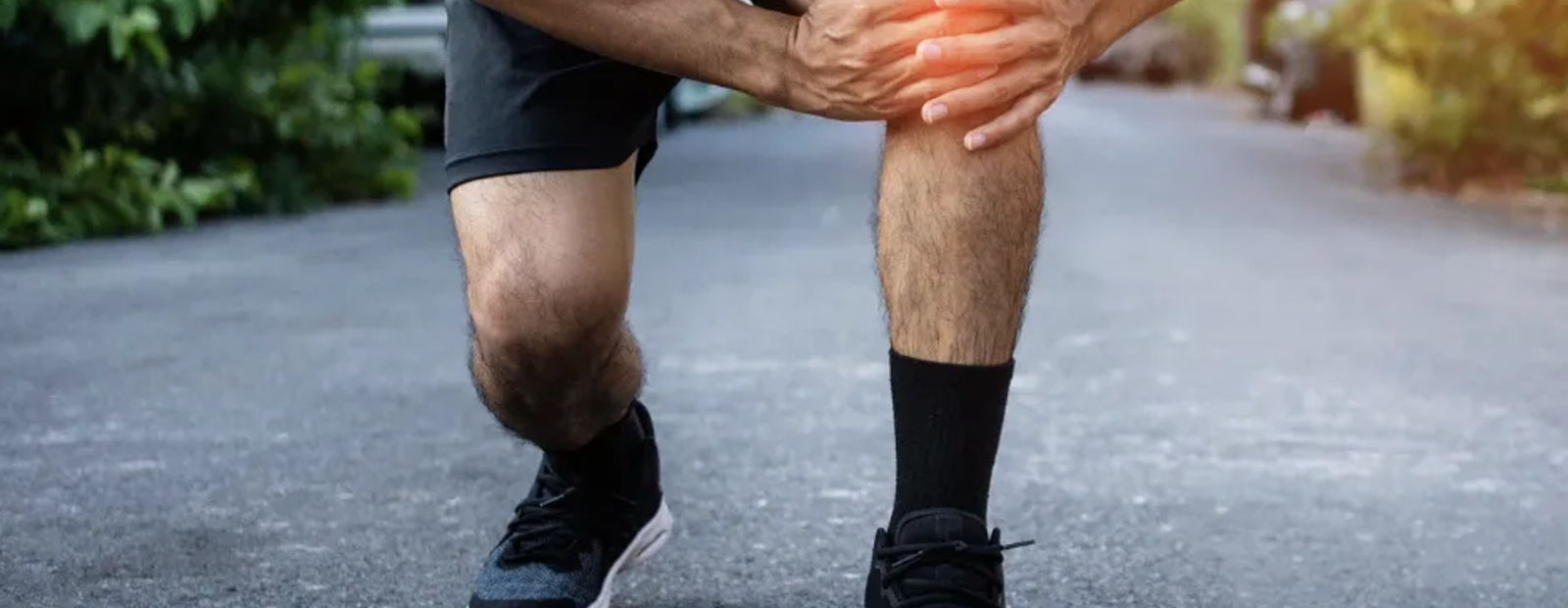
Better Knees
Home
About
Blog
Videos
Contact
Testimonials
WORK WITH ME
Hiker with backpack climbs a steep rock face beside a small waterfall in a green canyon.
Better Knees Blog/Inside Out Knee Health/6 min read

Why Standard Knee Pain Care is Incomplete

By Laurie Kertz Kelly


ā€œI had patellar femoral pain syndrome as a teen. And then when I was running in my twenties, I had knee pain and kneecap pain.ā€


ā€œI don't really want to have surgery. It's super inconvenient. And expensive.ā€ 


ā€œAnd it's, you know, very possible that there'll be a negative outcome, right?ā€


This conversation happened last summer when she was in her mid-30s and recently began working with me.  


She was told that if her knee pain didn’t resolve, she could have either a MACI surgery (Matrix-induced Autologous Chondrocyte Implantation), or a partial knee replacement.  


When she first told me this, I was speechless.  


Because her X-rays and MRI hadn’t revealed damage that would cause me to believe that either was necessary.  


And even if she did have sufficient damage, starting with such invasive procedures felt rather irresponsible to me.


Why was she being offered surgery?

I shared with her that I’ve seen people with a lot more damage in their knees than she had.  


And these people got better without surgery.  


But this didn’t completely ease how distressed she felt.  


I continued by saying that her doctor probably had a very short amount of time with her. 


She agreed that this was the case.  


And then, I explained that her doctor, an orthopedic surgeon, probably wanted to assure her that there were options for her, that she wouldn’t always have knee pain.  


However, what she told me next – what her orthopedic surgeon had said to her – was disheartening.  


ā€œHe told me that for the rest of my life, I probably won't be able to climb stairs, and I won't be able to squat.ā€  


ā€œI don't want to have to avoid stairs for the rest of my life.ā€


ā€œBut it's not just the stairs, you know, it means not being able to travel as easily.ā€  


ā€œWe recently went on a trip to the coast, and we just did, like, a driving tour.ā€ 


ā€œBut I would have preferred to be outside – doing things that are more fun than driving around.ā€


More than just knee pain

She could tolerate the knee pain that she was experiencing.  


However, her concerns about her future were causing much more suffering than her knees.  


ā€œIf you're dealing with pain all the time, your relationships change.ā€ 


I nodded.  


And then we spent roughly 40 minutes discussing her concerns.  


I shared some supportive insights with her:   


  • how knee cartilage weakens

  • how knee cartilage gets stronger

  • why it can feel like knee pain occurs suddenly


And I told her I expected her knees would improve without surgery.  


I also admitted that I wasn’t able to give her the confidence that I had.  


That just because I had worked with hundreds of people who had improved their knees with the Inside Out Knee Health approach – I didn’t expect that she would feel completely optimistic.  


Her world had shrunk.  


What her knees were able to do without pain was currently limited.  


And until that changed, she would probably be both placing her trust in me and questioning whether her knees could get better.   


When I shared this with her, she agreed, ā€œYeah, that's true.ā€


There was a pause before she continued: 


ā€œI mean, these other medical professionals, apparently they don't know the things that you know.ā€


Why are medical providers unaware of Inside Out Knee Health?

I’ve worked with many medical providers over the years.


Doctors. Nurses. Surgeons. Physical Therapists. 


Later that same day, I met with one of my clients who is a physician.  


Her knees were improving.


And that’s when she told me: ā€œIf insurance was covering this, you wouldn't be able to spend this time with me.ā€  


ā€œWe'd have done seven sessions and then you would have told me, ā€˜good luck.ā€™ā€ 


ā€œWhen it comes to what's wrong with my knee joints and how to fix them, I can't imagine the stuff you and I have gone over working during brief medical appointments.ā€ 


ā€œThis is why so many people end up with knee replacements.ā€


How Knees Get Stronger

Knee cartilage gets stronger at the rate that is much slower than muscles. 


Because cartilage doesn’t have blood supply, too much force can easily harm it.  


Leg muscles get stronger with exercises that involve a significant amount of effort.    


The approach for knee cartilage must be gentler and more gradual. (Read more here.)


When you have a history of your knee cartilage being affected for 20 weeks, 20 months, or 20 years, it's going to be weaker and it's going to need gentle progressions. 


Cartilage doesn't care if you're under a timeline.


And it doesn’t care what your health insurance covers.

(Watch this video by clicking here.)


Key Takeaways

  • Fear about the future can hurt more than knee pain itself. Loss of confidence, freedom, and identity often drives distress more than symptoms.

  • Surgery is sometimes offered because time is limited—not because it’s necessary. Short medical visits can’t support nuanced, long-term cartilage strengthening conversations.

  • Imaging doesn’t always justify invasive procedures. Many people improve despite cartilage changes that look frightening on X-rays or MRIs.

  • Cartilage adapts differently than muscle. It needs slower, gentler, progressive loading—not intensity or urgency.

  • Better Knees are built with patience, not immediate deadlines. Healing timelines aren’t dictated by insurance coverage or the limits of clinical visits.


Why This Matters for Your Knees

If you’re living with knee pain, it’s easy to believe that your future has already been decided for you.


A scan.


A sentence spoken in a rushed appointment.


A warning about what you ā€œshouldn’tā€ do anymore.


But knees are not static structures.

And your story is not finished.


Cartilage responds to the forces it’s exposed to—slowly, quietly, and over time.


When those forces are appropriate, progressive, and well-sequenced, knees can become more resilient. 


Not overnight. 


Not on a deadline. 


But in a way that lasts.


You don’t need blind optimism to begin.


You need a plan that respects how knees actually adapt and get stronger.


Taking action doesn’t mean pushing through pain or ignoring medical advice.


It means seeking an approach that gives your knees the time, attention, and progression they require—before accepting that limitation or surgery is inevitable.


Your world doesn’t have to stay small.


Stairs don’t have to be the enemy.


And the future your knees are capable of may be far better than what you’ve been told.


The most important step isn’t the hardest exercise.


It’s deciding that your knees are worth investing in—and beginning.


I help clients build Better Knees

with the Inside Out Knee Health approach.

Interested in working with me? Schedule here.


For Inside Out Knee Health,

here's a guide to get started:

You can access it here. 


For personalized guidance to build Better Knees:

Schedule a free 20-minute Strategy Session.  (Find your best time here.)


Disclaimer: The information in this blog post is for educational and informational purposes only and is not intended as medical advice. It should not be used to diagnose, treat, or prevent any health issue or disease without consulting with a qualified healthcare professional. The author of this blog and the website do not bear any responsibility for any actions taken based on the information provided in this blog.

Disclaimer: Disclaimer: The information in this blog post is for educational and informational purposes only and is not intended as medical advice. It should not be used to diagnose, treat, or prevent any health issue or disease without consulting with a qualified healthcare professional. The author of this blog and the website do not bear any responsibility for any actions taken based on the information provided in this blog.

Share

Related Posts

My Shoulder Hurt for Months — Then I Did a Pull-Up. Here's What That Has to Do With Your Knees.

My Shoulder Hurt for Months — Then I Did a Pull-Up. Here's What That Has to Do With Your Knees.

The body often adapts before symptoms improve, which is why people quit their recovery too early. Tracking objective measurements like knee joint Load Tolerance helps bridge the gap between what you feel and what is actually changing. This is the foundation of the Insid
PRP for Knee Pain: An Honest Look at the Evidence

PRP for Knee Pain: An Honest Look at the Evidence

PRP (Platelet-Rich Plasma) injections are among the most debated treatments for knee osteoarthritis. Research suggests PRP can reduce pain and improve function — but platelet dose, preparation protocol, and patient selection significantly affect outcomes. Most important

Why Daily Exercise Won't Necessarily Help You Avoid a Knee Replacement

Why Daily Exercise Won't Necessarily Help You Avoid a Knee Replacement

Daily exercise improves circulation and muscle endurance, but it doesn

About Us
About
Contact
Work with me
Resources
Blog
Videos
Testimonials

Austin, Texas & online worldwide - Phone: 512-394-4722

Ā© 2025 Kertz Coaching, LLC. All Rights Reserved | Privacy Policy | Terms