Better Knees
Home
About
Blog
Videos
Contact
Testimonials
WORK WITH ME
Hiker with backpack climbs a steep rock face beside a small waterfall in a green canyon.
Better Knees Blog/Inside Out Knee Health/4 min read

Why Rest Isn’t Fixing Your Knees (And What Actually Helps)

By Laurie Kertz Kelly


“My knee is sore a lot. It’s not terrible, but it never feels great.”  


“It feels better when I rest my knee, but it never feels like that’s enough.” 


“No matter how long I rest my knee, the soreness seems to just come back.”  


This is an all-too-common situation among people with knee pain.  


They’ve tried numerous ways of getting rid of their knee pain.


Like acupuncture, medication, massage, ointments, and exercises. 


Sometimes one or more of these helps temporarily.


But nothing they’re trying prevents their knee pain from returning. 


Since their knee pain isn’t excruciating, they frequently end up ignoring their knee pain and not doing anything about it.  


Weeks of knee discomfort turns into months and often years.  


In the meantime – sometimes without them noticing it – their knees are slowly getting worse.  


If this sounds familiar, there’s a simple way to begin turning this decline around.  


It involves providing better protection deep inside your knees.  


The right movements calm pain and inflammation faster than rest alone.


One exercise, in particular, has helped countless people with knee pain.  


Even though the exercise is typically underestimated even by most physical therapists and physicians. 


Perhaps because it is so simple.  


Perhaps because it seems too easy to yield powerful results.


What all Better Knees have in common

Strong, healthy knees have fluid inside of them.

This thick, viscous fluid (synovial fluid, pictured above in yellow) provides shock absorption and protects your knee from unnecessary harm.  


This fluid also lubricates inside your knees and keeps them moving smoothly.  


If you’ve had knee pain or tightness, a sense of “fullness” or perhaps some visible swelling, you likely have watery fluid inside your knees.  


Watery fluid means your knees are more vulnerable to damage during everyday activities. 


What to do instead

Research has shown that a particular way of contracting your quadriceps -- the muscles on the front of your thighs -- results in thicker, healthier knee fluid. (source) 


And it doesn’t require equipment or a lot of time to do so. 


I demonstrate how to perform the exercise in this video. 


And you may follow along with me to complete the exercise ten times during this 2-minute video.  


For many of my clients, this exercise provides some immediate comfort for their knees.  


Sometimes – especially when performed immediately beforehand or in conjunction with other recommendations that I provide – it decreases the pain they otherwise feel during stairs.


I previously wrote about recommending this exercise to a family member.

His knee began feeling better in less time than it took to see an orthopedist. 

Learn more here.  


This exercise is one key part of the first phase of the Inside Out Knee Health approach.

So when completed consistently within the context of a customized plan that I provide clients, it builds long-term knee resilience.  


And that means you’ll enjoy your active life without constantly worrying that your knee pain will return.


Key Takeaways:

  • Mild knee pain that comes and goes is not harmless. 
    Ignoring “not terrible” pain often allows slow, unnoticed decline.

  • Rest alone doesn’t create resilient knees.
    It may temporarily reduce symptoms—but it doesn’t change what’s happening inside the knee joint.

  • Healthy knees depend on healthy joint fluid.
    Thick, viscous synovial fluid protects, lubricates, and absorbs shock.

  • Watery fluid = vulnerable knees.
    Soreness, swelling, stiffness, or a “full” feeling are signs your knees lack protection.

  • Simple, targeted muscle activation can improve knee health. 
    Tightening the quadriceps helps create thicker, healthier joint fluid — often bringing quick relief and long-term resilience when done consistently.


For Inside Out Knee Health,

here's a guide to get started:

You can access it here. 


For personalized guidance to build Better Knees:

Schedule a free 20-minute Strategy Session.  (Find your best time here.)


Disclaimer: The information in this blog post is for educational and informational purposes only and is not intended as medical advice. It should not be used to diagnose, treat, or prevent any health issue or disease without consulting with a qualified healthcare professional. The author of this blog and the website do not bear any responsibility for any actions taken based on the information provided in this blog.

Disclaimer: Disclaimer: The information in this blog post is for educational and informational purposes only and is not intended as medical advice. It should not be used to diagnose, treat, or prevent any health issue or disease without consulting with a qualified healthcare professional. The author of this blog and the website do not bear any responsibility for any actions taken based on the information provided in this blog.

Share

Related Posts

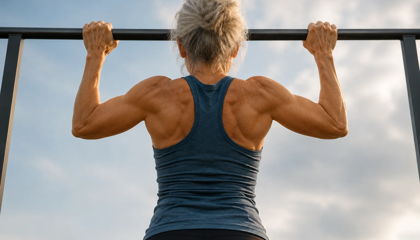
My Shoulder Hurt for Months — Then I Did a Pull-Up. Here's What That Has to Do With Your Knees.

My Shoulder Hurt for Months — Then I Did a Pull-Up. Here's What That Has to Do With Your Knees.

The body often adapts before symptoms improve, which is why people quit their recovery too early. Tracking objective measurements like knee joint Load Tolerance helps bridge the gap between what you feel and what is actually changing. This is the foundation of the Insid
PRP for Knee Pain: An Honest Look at the Evidence

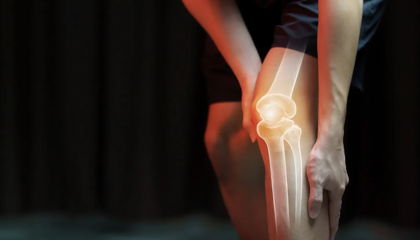
PRP for Knee Pain: An Honest Look at the Evidence

PRP (Platelet-Rich Plasma) injections are among the most debated treatments for knee osteoarthritis. Research suggests PRP can reduce pain and improve function — but platelet dose, preparation protocol, and patient selection significantly affect outcomes. Most important

Why Daily Exercise Won't Necessarily Help You Avoid a Knee Replacement

Why Daily Exercise Won't Necessarily Help You Avoid a Knee Replacement

Daily exercise improves circulation and muscle endurance, but it doesn

About Us
About
Contact
Work with me
Resources
Blog
Videos
Testimonials

Austin, Texas & online worldwide - Phone: 512-394-4722

© 2025 Kertz Coaching, LLC. All Rights Reserved | Privacy Policy | Terms