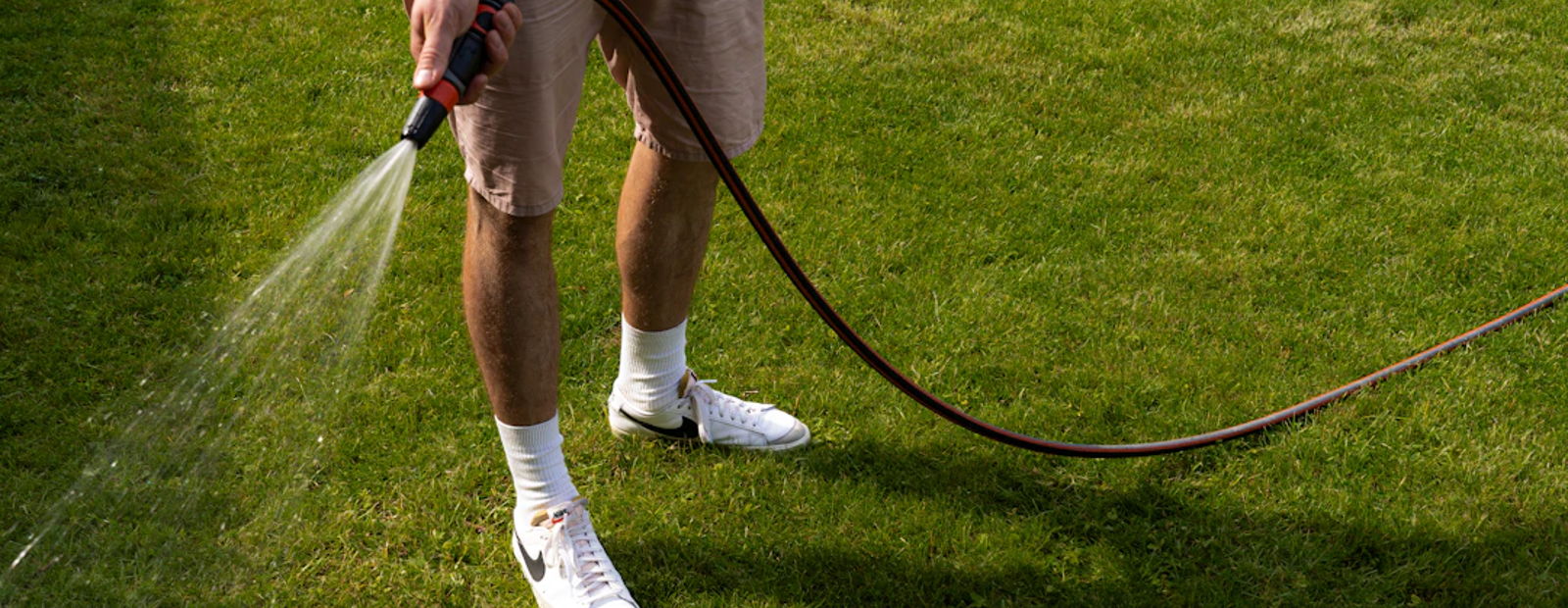
“Yesterday I was trying to water some plants. I was in a squat and I pivoted, and I got really sharp pain in my left knee.”
This was what my client Alison* told me during a Monday coaching session last month.
“It mostly went away,” she admitted, “but it's a little sore today.”
* To protect her privacy, Alison is not her real name.
She continued by telling me that the day before that, on Saturday, she had performed the exercises that I had recommended.
“And my knees were pretty sore that night. More on the right than the left.”
“But in general, I'm moving forward with less stiffness for sure. I have more ability to do things without getting those tweaks of knee pain.”
“Sometimes it feels like I’m ready to run ten miles,” she laughed.
“But then I have these little setbacks, and I just really need to take it easy after that.”
Were Alison’s knees really getting better?
I paused taking in everything that she had shared with me so far.
“Okay, let me see if I have this right,” I said. “Two days ago, you performed the exercises that I recommended.”
She nodded.
“Then, your knees felt particularly sore that evening.”
Again, she agreed.
“And the following day – which was yesterday – you had the episode of sharp knee pain when watering your plants?”
“Exactly,” she said.
Had the recommended exercises hurt her knees?
If someone performs exercises that are too challenging for their knees, or if they complete too many repetitions of appropriate exercises, they’ll get more knee symptoms.
And if knee symptoms persist, it may indicate that the strength inside their knees (also known as Load Tolerance) has decreased.
Lower amounts of knee strength puts them at risk for more easily injuring their knees.
What my client had reported caused me to consider whether the exercises that I had recommended may have caused such an outcome.
Solving the mystery of knee soreness
Even though Alison lives roughly a thousand miles from me, we both reside in the southern part of the U.S.
So our conversation segued into discussing how enjoyable the slight decrease in the hot weather had been.
She commented that this decrease in heat allowed her and her husband to get out and play 18 holes of golf the previous Saturday morning.
Hmmm, I thought… that was the same day that she performed her recommended exercises.
So I asked, “Your knees were fine during golf? Did you golf in the morning?”
“Right,” she responded, “Yes, we played before it got too hot.”
“And then I did the exercises when I got back home.”
“In the evening I didn’t have sharp knee pain, but just that soreness and stiffness.”
“And then yesterday I was, you know, I was just watering, and that's when I tweaked my left knee, just because I sort of pivoted wrong.”
“Okay,” I said, taking this all in. “So this morning, when you woke up, how did you feel?”
Alison thought about it and said, “Well, I can’t really remember, but right now I do feel the inside of my left knee in that same spot. Not sharp pain, just a very low level, dull sensation.”
“It's a little more than stiffness, I mean, there's some pain, but it's really low. I just know it's there. Where typically I don't know anything.”
She smiled and said, “My goal is not to know anything's happening with my knees.”
Identifying what placed too much load on her knees
Alison had tracked when she performed her recommended exercises on the chart I provided her.
As I looked at her completed chart, I noticed that she had performed this exercise routine on four separate days.
“So essentially you did the same exercise routine on three occasions prior to completing them on Saturday, right?”
“Right,” she said, as we were both looking at her completed chart.
Alison also confirmed that she hadn’t increased her repetitions. She completed the exact same number of the exact same exercises each time.
Because Alison hadn’t gotten symptoms when she performed them prior to Saturday, I doubted that the exercises caused her knee soreness.
I explained this to her, and shared that I also suspected that her Saturday evening knee soreness was related to playing golf.
Or at least the results of a combination of playing golf plus the exercise routine.
With a bit of disappointment, Alison nodded, saying, “Yeah, golf might have been too much.”
Then, she quickly added, “Do I not need to not play golf?!”
“I know I need to do the recommended exercises to help my knees get better. But do I also have to give up stuff I enjoy doing?”
“Or can I just live my life? Maybe it’ll be slower to fix my knees, but I can still enjoy life, you know?”
The Path Forward
“Well,” I told her, “I think in most situations, we need a hybrid approach.”
“But for right now, let’s talk about why the sharp knee pain happened when you were watering your plants yesterday.”
I explained how the forces during her golf swing created rotational loads through her knees, forces that were beyond her current Load Tolerance – the amount of pain-free force her knees could withstand for this particular movement.
Rotation causes more force than simply bending or straightening your knee because it adds compression. It’s similar to wringing out a wet dish rag.
This overload of rotation forces likely made her knee more susceptible to pivoting – another type of rotational force – that occurred as she watered plants the following day.
I continued by pointing out that today she had some residual knee pain, “But it's not like you're limping.”
“Not at all,” Alison agreed.
There’s a difference, for example, between severe symptoms that take a week to resolve versus mild symptoms that go away completely within 24 to 36 hours.
But of course, it’s not always this clear-cut.
Regardless, there are typically multiple ways forward.
For example, after her symptoms resolve, Alison may choose to continue to golf, but only play nine holes instead of 18.
Or she may try golfing on a day where she’s not challenging her knees with other activities, including the exercise routine that I’ve recommended.
And whatever she chooses, I’ll be there to help her interpret any knee symptoms she may get.
And provide insights and guidance about her next steps.
What’s Next
Alison’s story shows how many things can quietly influence your knees — from travel and golf, to exercise and even household tasks.
It’s rarely just one cause.
That’s why it’s hard to figure out on your own.
You can’t always see the blind spots — the small details that make a big difference in how your knees feel.
And that's where coaching comes in.
Together, we track what actually affects your knees, so you can see patterns, make better choices, and get faster, more consistent results.
When you understand what’s behind your knee symptoms, they stop feeling random — and improvement starts feeling like it’s within your control.
That’s the heart of Inside Out Knee Health: real insight, steady progress, and great confidence in your improvement.
If you’re ready to take the guesswork out of getting Better Knees — and finally understand what helps your knees feel their best — I’d love to help you get started.
Key Takeaways:
- Knee pain rarely comes from one single cause.
- Keeping track of when you feel sore or strong helps reveal patterns — and prevents repeating what triggers knee pain.
- Most people have blind spots, overlooking small details (like doing two load-heavy activities on the same day) that quietly increase strain on the knees.
- The amount of activity your knees can handle safely, your Load Tolerance, fluctuates — and when it dips, pain or stiffness often follows.
- Coaching accelerates progress because insights help you spot the variables you can’t see on your own – making faster, more efficient, and sustainable improvement.
Related Articles

For personalized guidance to build Better Knees:
Schedule a free 20-minute Strategy Session. (Find your best time here.)
Disclaimer: The information in this blog post is for educational and informational purposes only and is not intended as medical advice. It should not be used to diagnose, treat, or prevent any health issue or disease without consulting with a qualified healthcare professional. The author of this blog and the website do not bear any responsibility for any actions taken based on the information provided in this blog.
Disclaimer: Disclaimer: The information in this blog post is for educational and informational purposes only and is not intended as medical advice. It should not be used to diagnose, treat, or prevent any health issue or disease without consulting with a qualified healthcare professional. The author of this blog and the website do not bear any responsibility for any actions taken based on the information provided in this blog.
Related Posts

"You Can't Make Your Knee Any Worse": Why That Common Surgical Advice Isn't Accurate
Common knee surgery advice can overstate risk. Learn why “you can’t make it worse” is an oversimplification—and what helps sensitive knees.

My Shoulder Hurt for Months — Then I Did a Pull-Up. Here's What That Has to Do With Your Knees.
The body often adapts before symptoms improve, which is why people quit their recovery too early. Tracking objective measurements like knee joint Load Tolerance helps bridge the gap between what you feel and what is actually changing. This is the foundation of the Insid
PRP for Knee Pain: An Honest Look at the Evidence
PRP (Platelet-Rich Plasma) injections are among the most debated treatments for knee osteoarthritis. Research suggests PRP can reduce pain and improve function — but platelet dose, preparation protocol, and patient selection significantly affect outcomes. Most important